
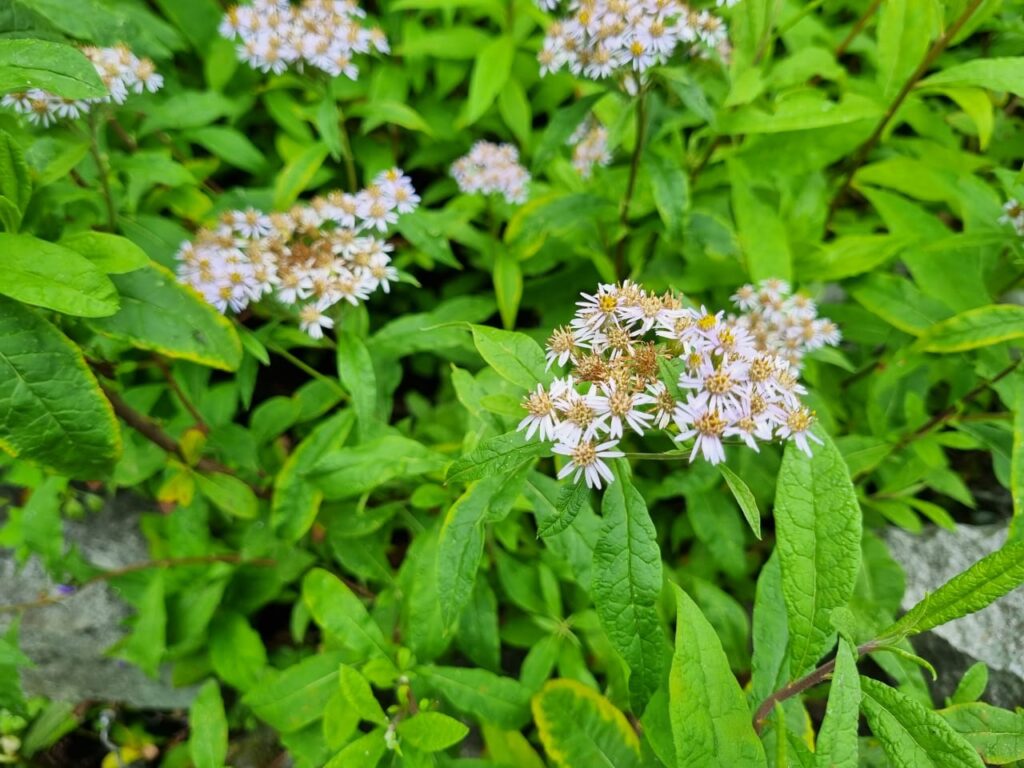
One of the most frequently asked questions by trekkers is, “Is the Valley of Flowers trek safe during monsoon?” Since the trekking season overlaps with the monsoon months, this concern is completely valid. The simple answer is yes, the trek is safe during monsoon—but only with proper planning, awareness, and support.
The Valley of Flowers is famous for its vibrant blooms, which appear primarily because of monsoon rainfall. In fact, the very reason the valley becomes so beautiful is also what makes people question its safety. Understanding the risks and how they are managed is key to deciding whether to trek during this season.
Why Monsoon Is Also the Peak Trekking Season
To understand is the Valley of Flowers trek safe during monsoon, it’s important to know that July and August, the heart of the monsoon, are also considered the best months to visit. This is when the valley is at its most colorful, with hundreds of alpine flowers blooming together.
The Forest Department officially opens and regulates the trek during monsoon months, which means:
-
Trails are monitored and maintained
-
Entry is controlled through permits
-
Safety guidelines are actively enforced
This official regulation plays a major role in making the Valley of Flowers trek safe during monsoon.
Common Monsoon Risks on the Valley of Flowers Trek
While the trek is open and operational, monsoon conditions do introduce certain challenges. People asking is the Valley of Flowers trek safe during monsoon are usually concerned about these factors:
Rain can make trails slippery, especially between Govindghat and Ghangaria. Occasional landslides may occur on the road sections due to heavy rainfall. Fog and cloud cover can reduce visibility on some days.
However, it’s important to note that these risks are managed daily by local authorities, and trekking is halted temporarily if conditions become unsafe. This controlled approach significantly reduces danger.
Trail Conditions and Crowd Management
During monsoon, the trekking trail is well-marked and frequently used by pilgrims visiting Hemkund Sahib as well. This means trekkers are rarely isolated. Forest staff, local porters, and medical facilities at Ghangaria add layers of safety.
Because of permit limits and fixed entry hours, overcrowding is avoided. These measures are exactly why the answer to is the Valley of Flowers trek safe during monsoon is generally positive when rules are followed.
Weather and Temperature During Monsoon
Monsoon temperatures in the Valley of Flowers are quite manageable. Daytime temperatures usually range between 10°C to 18°C, making trekking comfortable despite the rain. Nights can be cooler but not extreme.
Rainfall is typically intermittent rather than continuous. With proper rain gear and footwear, trekkers can move safely along the trail without major difficulty.
Fitness and Preparation Matter More Than the Season
Many safety concerns are not about the monsoon itself but about lack of preparation. The Valley of Flowers trek is considered moderate, but monsoon trekking requires:
-
Good-quality trekking shoes with grip
-
Rain protection (poncho or jacket)
-
Slow, steady walking pace
Trekkers who prepare well and respect weather conditions rarely face serious issues, reinforcing that the Valley of Flowers trek is safe during monsoon with the right approach.
Why Trekking with YatraKey Is Safer During Monsoon
Once you understand is the Valley of Flowers trek safe during monsoon, the next question becomes who should you trek with? This is where YatraKey makes a big difference.
YatraKey specializes in Valley of Flowers treks during the monsoon season and designs itineraries with safety as the top priority.
Guided Treks with Local Expertise
YatraKey’s treks are led by experienced local guides who understand monsoon weather patterns, trail behavior, and emergency protocols. They monitor conditions daily and adjust trekking schedules when needed.
This real-time decision-making is crucial for ensuring the Valley of Flowers trek remains safe during monsoon.
Carefully Planned Itineraries and Acclimatization
YatraKey avoids rushed itineraries. Proper acclimatization at Ghangaria reduces fatigue and altitude-related issues, which can otherwise become risky during rainy conditions.
Accommodation, meals, and rest periods are planned to keep trekkers energized and alert.
Support Systems and Backup Planning
Monsoon trekking demands contingency planning. YatraKey ensures:
-
Reliable accommodation bookings even during delays
-
Backup travel arrangements if roads are affected
-
Coordination with local authorities when required
This level of preparation greatly enhances safety and peace of mind.
Ideal for First-Time and Solo Trekkers
If you’re new to Himalayan trekking, you may naturally wonder is the Valley of Flowers trek safe during monsoon for beginners? With YatraKey, the answer is yes.
Their guided group treks provide structure, support, and shared responsibility—making the journey safer than going independently.
FAQs: Is the Valley of Flowers Trek Safe During Monsoon?
1. Is the Valley of Flowers trek safe during monsoon?
Yes, it is safe when done during the official season with proper preparation and guidance.
2. Does it rain every day during the trek?
Rain is common but usually intermittent, not continuous.
3. Are landslides a major risk?
Minor landslides can occur on road sections, but authorities monitor routes closely.
4. Is the trek open during heavy rainfall?
If conditions become unsafe, entry is temporarily restricted for safety.
5. Is monsoon trekking suitable for beginners?
Yes, with guided support and proper fitness, beginners can safely do the trek.
6. What makes YatraKey treks safer during monsoon?
Local guides, flexible itineraries, and strong on-ground support.
7. What is the biggest safety tip for monsoon trekking?
Follow official guidelines, trek with a guide, and never rush the trail.