
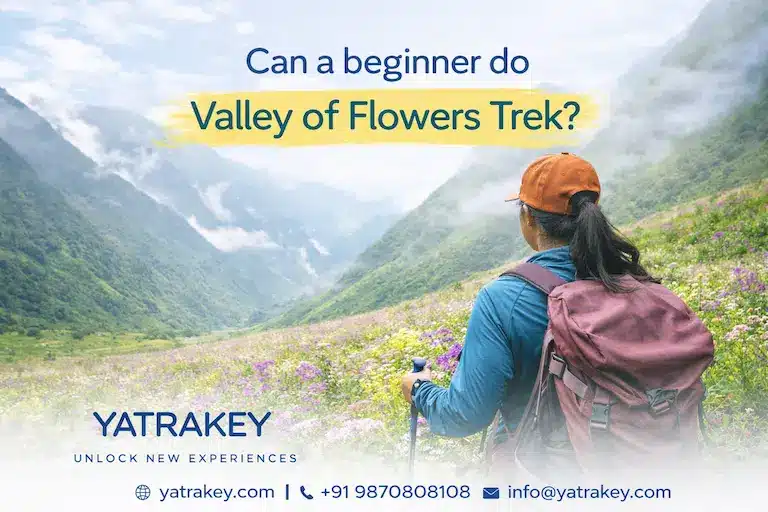
The Valley of Flowers is one of the most visually stunning treks in India. A UNESCO World Heritage Site tucked deep in the Garhwal Himalayas of Uttarakhand, it bursts into a riot of colour every monsoon season — thousands of wildflowers carpeting a high-altitude valley at over 3,600 metres. It sounds magical. But if you have never trekked before, one question naturally comes to mind: can a beginner do Valley of Flowers trek?
The short answer is yes. But like any Himalayan trek, it needs the right preparation, the right timing, and a trusted travel partner who knows the terrain. Here is everything a first-time trekker needs to know.
How Difficult Is the Valley of Flowers Trek?
The Valley of Flowers trek is officially rated as easy to moderate — making it one of the most beginner-friendly Himalayan treks in India. The total trekking distance is around 38 km over 4 to 6 days, depending on the itinerary. The highest point you reach is Hemkund Sahib at approximately 4,329 metres, though the Valley of Flowers itself sits at around 3,658 metres.
There are no technical climbs, no river crossings requiring ropes, and no overnight camping in the open. The trail is well-marked and regularly used, which means you are rarely isolated. For a beginner with a reasonable level of fitness and the willingness to walk 10–14 km per day on mountain terrain, this trek is absolutely achievable.
What Is the Trek Route Like?
The trek starts from Govindghat, which is accessible by road from Haridwar and Rishikesh. From Govindghat, trekkers walk approximately 13 km uphill to Ghangaria — the base camp and the only settlement on the route. All accommodation and meals are available here.
From Ghangaria, you have two options:
Valley of Flowers: A 6 km trek from Ghangaria into the valley. The path is relatively gentle with gradual elevation gain, making it the most beginner-friendly stretch of the entire route.
Hemkund Sahib: A steeper 6 km climb from Ghangaria to the sacred Sikh gurudwara at 4,329 metres. This section is more demanding and tests your stamina, but thousands of pilgrims including elderly devotees complete it every season.
Best Time to Do Valley of Flowers Trek
The valley is only accessible between June and October, with the trek officially opening around the first week of June after the snow melts. The best time for beginners is:
July to August — Peak bloom season. The valley is at its most spectacular with hundreds of wildflower species in full colour. This is when most trekkers visit.
September — The crowds thin out, the air is crisp, and the trek feels more personal. A great choice for those who prefer a quieter experience.
Avoid late October as weather conditions become unpredictable and snowfall can close sections of the trail.
What Should a Beginner Carry?
Packing smart is half the battle on any Himalayan trek. As a beginner doing the Valley of Flowers trek, carry the following essentials:
- Layered warm clothing — temperatures drop sharply at night even in July
- Waterproof rain jacket and poncho — monsoon season means daily showers
- Sturdy trekking shoes with ankle support — not sneakers
- Trekking poles — highly recommended for the Hemkund Sahib climb
- Personal medications and a basic first-aid kit
- High-calorie snacks like dry fruits and energy bars
- A refillable water bottle and water purification tablets
- Sunscreen, sunglasses, and a hat
Avoid overpacking. A bag weighing more than 8–10 kg will tire you out quickly on uphill stretches.
Tips for First-Time Trekkers at Valley of Flowers
Acclimatize before you push. Spend a night at Ghangaria before attempting Hemkund Sahib. Rushing to altitude without rest is the most common beginner mistake.
Start early each day. Afternoons in the monsoon Himalayas often bring rain and reduced visibility. Starting your trek by 7 AM gives you the best conditions and the most time.
Walk at your own pace. There is no competition on this trail. A slow, steady pace with regular short breaks is far better than rushing and burning out.
Stay hydrated. Altitude suppresses the sense of thirst. Drink water consistently throughout the day even if you do not feel particularly thirsty.
Hire a local guide. For beginners, a local guide not only adds safety but enriches the experience with knowledge about the flowers, the terrain, and the region’s cultural significance.
How to Reach the Valley of Flowers from Haridwar
The most convenient base for the Valley of Flowers trek is Haridwar or Rishikesh. From Haridwar, the road journey to Govindghat takes approximately 9 to 10 hours via Joshimath. YatraKey, based in Haridwar, offers complete point-to-point transfers and can arrange the entire logistics of your trek — from Haridwar pickup to Ghangaria accommodation booking and local guide arrangement.
Book Your Valley of Flowers Trek with YatraKey
At YatraKey, we have helped hundreds of first-time trekkers experience the Valley of Flowers safely and comfortably. As an IATA-approved local travel agency in Haridwar, we understand the terrain, the season, and what a beginner truly needs to have a successful trek. We handle transport, accommodation, permits, and local guide arrangements — so all you have to do is show up and walk.
Call us at +91 9870808108 or mail us at info@yatrakey.com to plan your Valley of Flowers trek today.
Frequently Asked Questions (FAQs): Can a Beginner Do Valley of Flowers Trek?
Q1. Can a beginner do Valley of Flowers trek without prior trekking experience?
Yes. The Valley of Flowers trek is rated easy to moderate and is one of the most beginner-friendly Himalayan treks. No prior trekking experience is required, though basic fitness — the ability to walk 10–14 km per day — is recommended.
Q2. What is the total distance and duration of the Valley of Flowers trek?
The total trekking distance is approximately 38 km, covered over 4 to 6 days depending on your itinerary. The base camp is Ghangaria, from where both the Valley and Hemkund Sahib are day treks.
Q3. Is the Valley of Flowers trek safe during the monsoon season?
Yes, with proper precautions. The trek is designed for the monsoon season — that is when the flowers bloom. Wearing waterproof gear, starting early each day, and trekking with a local guide significantly reduces any risk.
Q4. Do I need any permits to trek to Valley of Flowers?
Yes. Trekkers need an entry permit issued by the Nanda Devi National Park authorities at Ghangaria. YatraKey handles all permit arrangements as part of the trek package so you do not have to manage it separately.
Q5. What is the altitude of Valley of Flowers and is altitude sickness a concern?
The Valley of Flowers sits at approximately 3,658 metres and Hemkund Sahib at 4,329 metres. Mild altitude sickness can affect first-time visitors. Acclimatising at Ghangaria for a night before going higher, staying well-hydrated, and avoiding alcohol greatly reduces this risk.
Q6. Can elderly trekkers or people with low fitness do this trek?
The Valley of Flowers section itself is gentle enough for reasonably fit older trekkers. The Hemkund Sahib climb is steeper and more demanding. Pony and palanquin services are available on both routes for those who need assistance.
Q7. Can YatraKey arrange a complete Valley of Flowers trek package from Haridwar?
Absolutely. YatraKey offers complete Valley of Flowers trek packages from Haridwar including road transfers, Ghangaria accommodation, local guide, and park permit arrangements. Contact us at +91 9870808108 or mail us at info@yatrakey.com to get a customized quote.